The Role of Plumbers in Pipe Repair
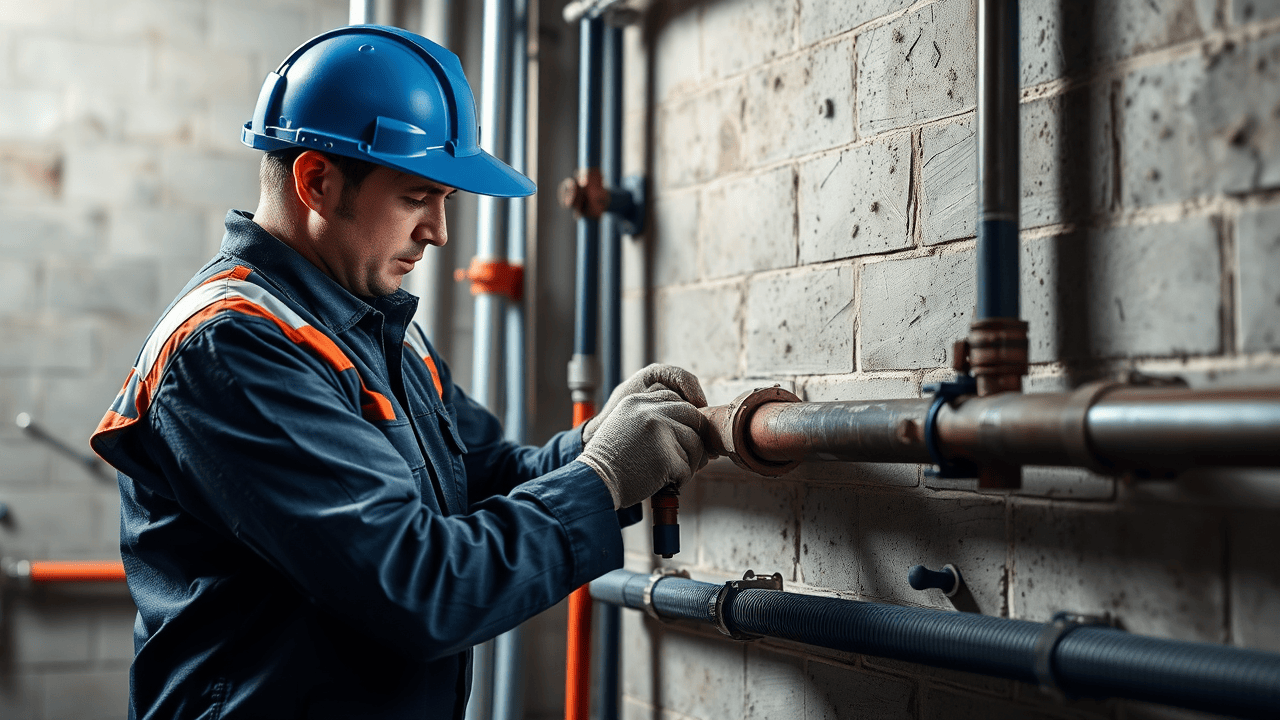
Plumbers play a critical role in ensuring the integrity and functionality of plumbing systems. They are trained professionals who specialize in installing, maintaining, and repairing pipes. When faced with leaks, blockages, or any signs of wear, homeowners and business owners often turn to plumbers for expert assistance. Their extensive knowledge helps them diagnose issues efficiently, making sure that pipe installation and repair in residential and commercial properties are handled with expertise.
In addition to troubleshooting existing problems, plumbers also provide valuable insight into preventative measures. They can recommend materials and designs that enhance the longevity of plumbing installations. Routine maintenance checks performed by plumbers help identify potential issues before they escalate. For many, relying on a skilled plumber for pipe installation and repair in their homes serves as both a practical solution and a safeguard against future complications.
When to Hire a Plumber vs. a Pipe Fitter
Understanding the distinction between plumbers and pipe fitters is crucial when it comes to pipe installation and repair. Plumbers typically focus on the installation and maintenance of systems that carry water, gas, and waste in residential and commercial properties. They handle various tasks, including fixing leaks, unclogging drains, and ensuring that fixtures like sinks and toilets work correctly.
Pipe fitters, on the other hand, specialize in the installation and repair of piping systems used for heating, cooling, and industrial applications. Their work often involves working with heavy-duty materials and requires knowledge about various piping systems and blueprints. When faced with issues related to plumbing or when specific piping installations are needed, recognizing which professional to hire for pipe installation and repair in your space can save time and ensure the job is done correctly.
How to Choose the Right Pipe Fitting Service
Selecting the appropriate pipe fitting service is crucial for ensuring quality work and peace of mind. Start by researching local companies that specialize in pipe installation and repair in your area. Look for positive reviews and testimonials from previous clients. Checking the provider's credentials, such as licenses and insurance coverage, can help ensure you are hiring qualified professionals.
It's also essential to consider the range of services offered. Some companies specialize in specific types of pipe systems, while others may provide broader installation and repair options. Requesting quotes from multiple contractors can give you an idea of average costs and help you compare services. Understanding their level of experience and expertise in pipe installation and repair in various settings can also aid in making an informed decision.
Factors to Consider When Hiring
When hiring a professional for your plumbing needs, it is essential to evaluate their experience and qualifications in pipe installation and repair in your specific system type. Look for licensed contractors familiar with local codes and regulations. This ensures the work will comply with safety standards. Insight into their previous projects can also provide assurance, as a solid track record may indicate reliability and skill in handling various plumbing challenges.
Cost is another crucial factor to consider when selecting a pipe fitting service. Obtain multiple quotes to ensure fair pricing while carefully reviewing what each estimate includes. While the lowest bid may seem appealing, it is vital to understand the quality of materials and workmanship offered. Opting for experienced professionals in pipe installation and repair in your area can lead to savings in the long run, as quality work often reduces the need for future repairs.
The Process of Pipe Installation
The process of pipe installation typically begins with a thorough assessment of the project site. This involves understanding the specific needs of the plumbing system, the types of pipes required, and the layout of the installation. Professionals often prepare detailed plans to ensure the installation aligns with the local plumbing codes and regulations. After gathering the necessary materials, plumbers and pipe fitters proceed with excavating or clearing the area where the pipes will be placed.
Once the groundwork is laid, the actual installation can commence. This involves measuring, cutting, and joining pipes according to the predetermined design. During this phase, professionals ensure that seals are tight and that the pipeline is ready to transport water or other fluids effectively. Quality control checks are vital, with testing conducted to verify that the system is leak-free and functioning as intended. Pipe installation and repair in this context require a keen eye for detail and adherence to safety standards to prevent future issues.
Steps Involved in Professional Installation
Professional pipe installation typically begins with a thorough assessment of the project site. Technicians evaluate existing plumbing systems to identify necessary adjustments or upgrades. Accurate measurements are essential to ensure that pipes fit securely. Proper planning helps avoid future complications and ensures all safety regulations are met.
Once the assessment is complete, the installation process begins. Technicians will cut the pipes to the required lengths and fit them together using appropriate connectors. Sealing joints correctly is important to prevent leaks. Pipe installation and repair in new or existing structures require precision to maintain efficiency in the plumbing system. Following installation, a thorough inspection ensures everything functions as intended.
FAQS
What is the primary role of a plumber?
The primary role of a plumber is to install and repair water, drainage, and gas systems in residential, commercial, and industrial settings.
When should I hire a plumber instead of a pipe fitter?
You should hire a plumber for general plumbing issues, such as fixing leaks or installing fixtures, while a pipe fitter is more specialized for tasks relating to the installation and repair of piping systems for specific applications like HVAC or industrial processes.
What should I consider when choosing a pipe fitting service?
Consider factors such as the company’s experience, reputation, licensing and insurance, pricing, and customer reviews when choosing a pipe fitting service.
What steps are involved in professional pipe installation?
Professional pipe installation typically involves assessing the site, planning the layout, selecting appropriate materials, cutting and assembling pipes, securing them in place, and conducting tests to ensure proper function.
How can I determine if a plumbing service is reputable?
To determine if a plumbing service is reputable, check online reviews, ask for recommendations from friends or family, verify their licensing and insurance, and request references from previous clients.