Water heater installation and repair
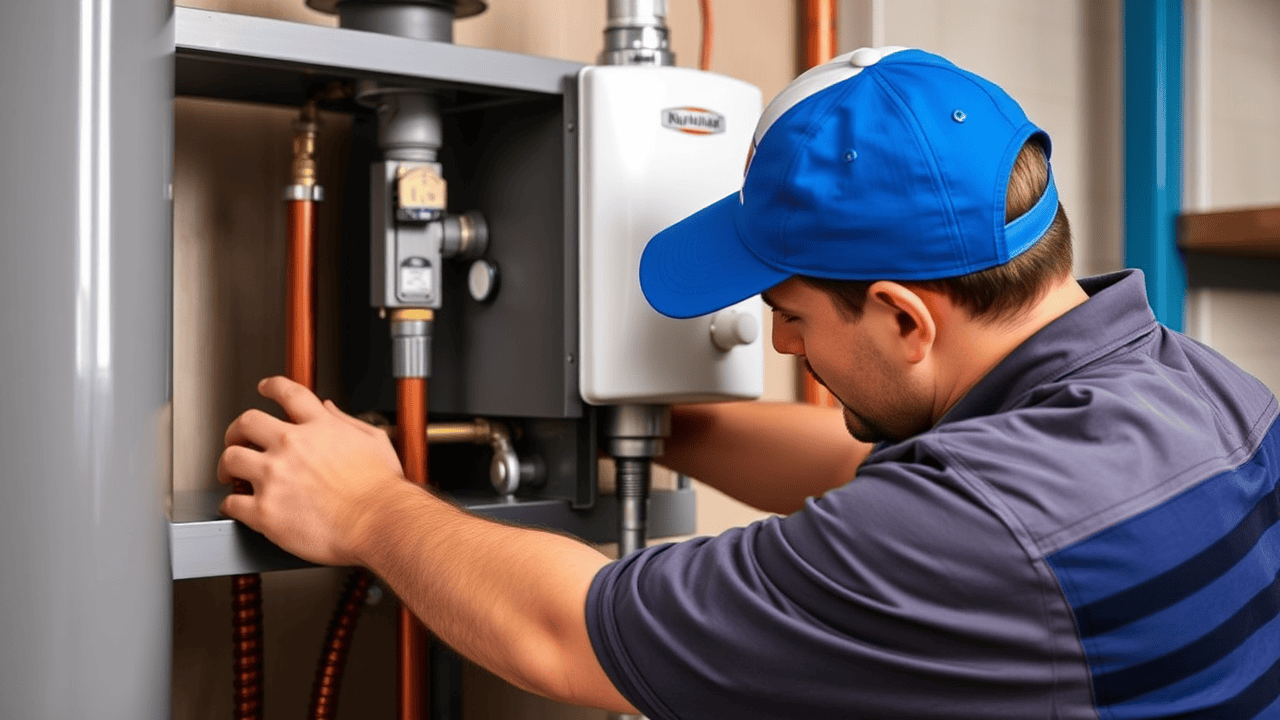
RJS Plumbing LLC specializes in expert water heater installation and repair, ensuring that your home always has access to hot water when you need it most. Our team of experienced plumbers is well-versed in handling a variety of water heater systems, including traditional tank models and energy-efficient tankless options. We pride ourselves on delivering prompt, professional service, whether you're looking to install a new unit or need a quick repair to restore your existing system's efficiency. With a commitment to quality workmanship and customer satisfaction, RJS Plumbing LLC is your trusted partner for all your water heater needs. Let us help you enjoy reliable hot water while enhancing your home’s comfort and energy efficiency.
Typical Water Heater Problems
Water heaters can experience a variety of issues that affect their performance. One common problem is insufficient hot water supply, often caused by a faulty thermostat or sediment buildup in the tank. Over time, this buildup can prevent the heating elements from operating efficiently, leading to inadequate heating. Additionally, leaks in the tank or connections may arise, resulting in significant water damage if not addressed promptly.
Another frequent issue is unusual noises coming from the water heater. These noises can range from banging to hissing, usually indicating mineral deposits affecting the heating elements. High energy bills may also signal underlying problems, such as poor insulation or an aging unit that operates less efficiently. Recognizing these issues early can help prevent costly repairs and extend the lifespan of the water heater.
Troubleshooting Common Issues
Many homeowners encounter issues with their water heaters that can lead to insufficient hot water or complete system failure. For instance, if water temperature is inconsistent, it may indicate a problem with the thermostat or heating elements. Flushing the tank can help if sediment buildup is affecting performance. Additionally, check for leaks around the unit, as this can signal a more significant problem requiring immediate attention.
Another common issue is unusual noises coming from the heater, which can range from popping to hissing sounds. These noises are often caused by sediment hardening at the bottom of the tank, creating pressure and disrupting normal function. In such cases, draining and flushing the tank may alleviate the noise. Regular maintenance checks can help identify these issues early, avoiding costly repairs down the line.
How to Choose the Right Water Heater
Choosing a water heater involves several critical considerations. Homeowners should first determine the type of heater that best meets their needs, whether tankless, traditional tank, or solar options. Each type has its own benefits and limitations regarding initial costs, installation requirements, and overall efficiency. Assessing household demand for hot water is essential, as it affects capacity and performance.
Budget plays a significant role in selection, influencing both purchase and operational costs. Energy efficiency is another key factor; opting for models with higher energy ratings can lead to substantial long-term savings on utility bills. Consideration of available space for installation can further narrow choices. Understanding local codes and regulations may also impact the decision, as these guidelines help ensure safety and compliance with building standards.
Factors to Consider for Optimal Performance
When selecting a water heater, the size of the unit plays a crucial role in ensuring optimal performance. A tank that is too small won't provide sufficient hot water for your household needs, leading to frustration and increased waiting time. Conversely, an oversized tank can lead to energy waste, as it maintains more water than necessary at the desired temperature. Proper sizing is essential, and factors such as family size, peak usage times, and the number of fixtures needing hot water should be evaluated.
Fuel source options also significantly impact the efficiency and functioning of a water heater. Electric heaters are generally easy to install and maintain, while gas models tend to heat water more quickly and may offer lower operating costs in some areas. Additionally, the location of the heater can influence performance. Placing the unit in a central location minimizes heat loss through pipes and ensures a consistent supply of hot water throughout the home. Proper installation and consideration of these factors can make all the difference in achieving optimal performance from your water heater.
Energy Efficiency in Water Heaters
Energy efficiency plays a significant role in the overall performance and operating costs of water heaters. Modern units often come equipped with advanced technologies that optimize energy use, allowing homeowners to enjoy reliable hot water while reducing utility bills. Features such as better insulation, programmable thermostats, and heat pump technology contribute to a more efficient system. These advancements help minimize heat loss and improve the speed at which water heats up, leading to better resource management within the home.
Understanding energy ratings is crucial when selecting a water heater. The Energy Factor (EF) rating measures the efficiency of a unit, with higher values indicating more energy-efficient models. Furthermore, thermodynamic systems, like solar water heaters or tankless options, can further enhance energy savings. These systems not only reduce reliance on traditional energy sources but also offer sustainability benefits, promoting a greener lifestyle for homeowners.
Understanding Energy Ratings and Savings
Energy efficiency plays a significant role in choosing a water heater, impacting both utility bills and the environment. Each water heater is assigned an Energy Factor (EF) rating, which measures how effectively it converts energy into hot water. A higher EF rating indicates a more efficient appliance. It’s essential to compare these ratings when shopping for a new model, as the initial price may differ widely among options. Investing in a heater with a high energy rating may lead to substantial long-term savings.
In addition to the EF rating, water heaters often carry labels such as Energy Star, indicating they meet specific energy efficiency guidelines set by the Environmental Protection Agency. Consumers should consider their hot water needs, fuel type, and local energy rates when evaluating potential savings. Understanding these metrics allows homeowners to make informed choices that can significantly decrease both energy consumption and monthly expenses.
FAQS
What are the most common problems with water heaters?
The most common problems include insufficient hot water, strange noises, leaks, discolored water, and fluctuating water temperatures.
How can I troubleshoot my water heater if it's not working properly?
Start by checking the thermostat settings, inspecting for leaks, ensuring the power supply is working, and examining the heating element. If these steps do not resolve the issue, it may be best to consult a professional.
What factors should I consider when choosing a new water heater?
Consider the type of water heater (tank vs. tankless), capacity, energy efficiency ratings, fuel type (electric, gas, or solar), and your household's hot water needs.
How can I improve the energy efficiency of my water heater?
To improve energy efficiency, consider insulating your water heater and pipes, lowering the thermostat setting, regularly flushing the tank to remove sediment, and replacing an older unit with a high-efficiency model.
What do energy ratings mean, and how can they help me save on costs?
Energy ratings provide information on the efficiency of a water heater, typically expressed through the Energy Factor (EF) or Uniform Energy Factor (UEF). Higher ratings indicate more efficient models, which can lead to lower energy bills over time.