Comparison of DIY Maintenance versus Professional Services
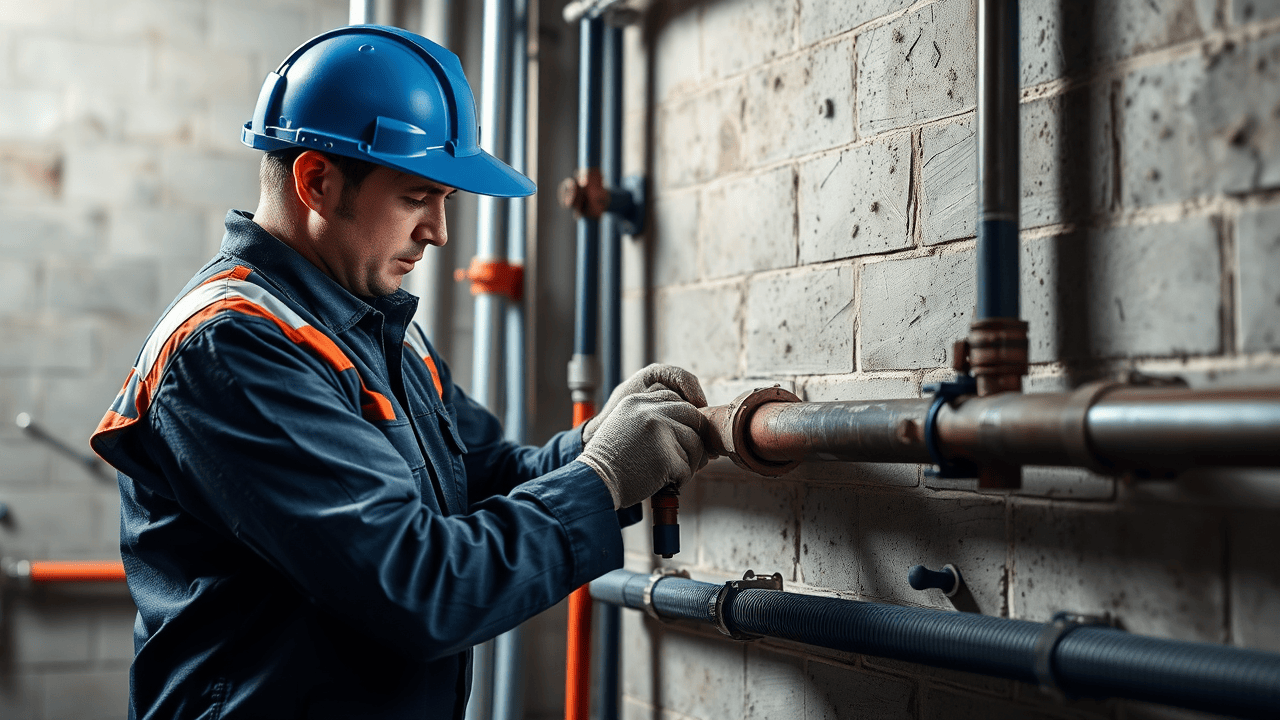
When considering pipe maintenance, many homeowners face the choice between DIY efforts and hiring professional services. DIY maintenance can be appealing due to the potential cost savings. Homeowners with a basic understanding of plumbing can tackle simpler tasks such as unclogging drains or replacing fittings. However, these tasks require specific tools and knowledge to avoid further complications. For instance, pipe installation and repair may necessitate expertise beyond a novice’s capability, leading to poor outcomes or larger issues down the line.
Professional services offer expertise that can safeguard against mistakes. Licensed plumbers come equipped with specialized tools and a wealth of experience, ensuring that problems are addressed correctly and efficiently. Hiring professionals not only reduces the time needed for maintenance but also ensures that installations comply with local codes and standards. While the upfront cost may be higher than a DIY approach, the long-term benefits often outweigh the initial expense, making professional help a wise investment in the health of plumbing systems.
Evaluating Skill Levels and Necessary Tools
Understanding your skill level is essential before deciding to undertake any pipe maintenance tasks. A basic familiarity with plumbing can guide you through minor repairs like fixing leaks or unclogging drains. However, more complex issues often require a deeper knowledge of plumbing systems. If you find yourself uncomfortable with the technical aspects of pipe installation and repair, it may be prudent to reconsider a DIY approach.
Proper tools are another critical aspect of effective pipe maintenance. Essential equipment includes pipe wrenches, pliers, and an assortment of sealing materials. Having the right tools on hand not only makes the job easier but also contributes to the quality of the repairs. Investing in reliable tools can streamline the process, reducing the chances of mistakes that could lead to further issues down the line.
LongTerm Savings from Regular Maintenance
Regular maintenance of plumbing systems can lead to significant long-term savings for homeowners. By addressing minor issues before they escalate, individuals can avoid the high costs associated with emergency repairs. Consistent upkeep often extends the life of pipes and fixtures, which reduces the frequency and expenses related to pipe installation and repair. Investing time and resources into maintenance can ultimately alleviate financial strain.
Additionally, when homeowners implement a routine maintenance schedule, they create a more efficient plumbing system. This efficiency often translates to lower water bills as leaks and other inefficiencies are identified early. Proactive measures can mitigate damage and preserve the integrity of the entire plumbing system, ensuring that the costs associated with pipe installation and repair remain manageable over time.
Reducing Future Repair Costs
Regular maintenance plays a vital role in minimizing future repair costs. By addressing minor issues before they escalate, homeowners can avoid the high expenses associated with significant plumbing failures. Identifying leaks, rust, or blockages during routine maintenance can prevent these problems from turning into more severe repairs. This proactive approach not only saves money but also extends the lifespan of the plumbing system.
Investing in pipe installation and repair services can further support long-term savings by ensuring that the infrastructure is up to date. Older pipes tend to present more frequent problems, leading to increased maintenance expenditures over time. By updating or replacing outdated plumbing systems, homeowners can significantly reduce the likelihood of unexpected repairs. Prioritizing regular maintenance and timely upgrades improves a home’s effectiveness while keeping repair costs in check.
Impact of Pipe Age on Maintenance Expenses
As pipes age, they naturally begin to deteriorate, leading to increased maintenance expenses. Older pipes are more susceptible to corrosion, leaks, and blockages, which necessitate regular inspections and prompt repairs. These issues often require specialized skills and tools for pipe installation and repair, adding to the overall cost. Homeowners may find themselves facing larger bills as they attempt to address problems that arise from aging plumbing systems.
Additionally, the materials used in older pipes can significantly influence maintenance expenses. For instance, galvanized steel, commonly found in homes built several decades ago, tends to rust and corrode faster than modern alternatives. Replacing outdated piping can be a substantial investment, but it can ultimately reduce future maintenance costs. Keeping an eye on the condition of aging pipes is crucial to prevent unforeseen expenses and ensure the longevity of the plumbing system.
Common Issues in Older Plumbing Systems
Older plumbing systems often present a range of common issues that can lead to escalating maintenance costs. Corrosion is a frequent problem, especially in metal pipes. It can weaken the structure, leading to leaks or even complete failure. Aging seals and joints may become brittle, causing water to seep through where connections have worn down. This deterioration can require substantial pipe installation and repair efforts to restore functionality.
Additionally, older systems may suffer from mineral buildup and clogs due to decades of accumulated debris. Over time, this can restrict water flow and reduce efficiency. Homeowners may notice diminished water pressure or frequent backups. Regular inspections and maintenance can help identify these issues early, allowing for timely pipe installation and repair, thus preventing more severe problems in the future.
FAQS
How much should I expect to pay for professional pipe maintenance services?
The cost of professional pipe maintenance can vary widely depending on the service provider, the complexity of the job, and your location. On average, you might expect to pay between $100 to $300 for routine maintenance.
What are the main factors that influence the cost of pipe maintenance?
The cost can be influenced by several factors, including the age and condition of your plumbing system, the type of maintenance required, whether you choose DIY or professional services, and any necessary repairs that may arise during maintenance.
Is DIY pipe maintenance cheaper than hiring a professional?
Generally, DIY pipe maintenance can be cheaper since you avoid labor costs associated with hiring a professional. However, you should consider your skill level and whether you have the necessary tools, as mistakes can lead to more expensive repairs down the line.
How often should I perform pipe maintenance to save on future repair costs?
Regular maintenance is typically recommended at least once a year. However, for older plumbing systems or homes in areas with hard water, more frequent inspections may be beneficial to avoid costly repairs.
What common issues should I look for in older plumbing systems during maintenance?
Common issues in older plumbing systems include corrosion, leaks, slow drainage, and pipe blockages. Regular inspection can help identify these problems early, potentially saving on more significant repair costs later.