Conducting a Water Meter Test
One effective method to diagnose a leak involves conducting a water meter test. Start by ensuring no water is being used in your home during the testing period. This means turning off all faucets, appliances, and irrigation systems. Once everything is shut off, make a note of the reading on your water meter. After a few hours, check the meter again. If the reading has changed while no water was in use, there's a high likelihood that a leak is present in your plumbing system.
If you confirm a potential leak, it may be time to investigate further. Local search phrases like "leak detection and repair near me" can help connect you with specialists who can pinpoint the issue. They often use advanced equipment and techniques to identify hidden leaks within walls or underground. This professional assistance can save you time and prevent further damage, ensuring that your plumbing system operates efficiently once again.
StepbyStep Guide to Monitoring Usage
To effectively monitor water usage, start by ensuring you have a functioning water meter. Locate the meter, which is typically found near the street or in your basement. Once you identify the meter, record the reading and then ensure all water appliances, faucets, and irrigation systems are turned off. After a few hours, check the meter again. If the reading has changed without any water being used, this indicates a potential leak in your plumbing. Investigating further will help pinpoint the problem area.
Next, keep a close watch on your water bills over time. Sudden increases in monthly charges can signal underlying leaks. Consistently high bills despite usual consumption habits may warrant a more thorough investigation. If your own efforts do not yield results, consider searching for “leak detection and repair near me” to find experts who can assist. Professional services can provide advanced techniques to detect hidden leaks, saving you both water and money in the long run.
Checking for Moisture and Mold
Moisture and mold growth are clear indicators of potential leaks in your home. Begin by inspecting areas that are often damp, such as basements, bathrooms, and kitchens. Look for water stains on walls, ceilings, and floors; these can suggest significant moisture issues. Additionally, check for any bubbling or peeling paint as well as warped floorboards, which may signal that water is present behind the surfaces. Addressing these signs early can prevent more severe damage and costly repairs down the line.
Conduct a thorough assessment of your home’s ventilation as well. Poor airflow can exacerbate moisture problems and promote mold growth. Keeping humidity levels in check can help in maintaining a healthy environment. If you notice persistent moisture despite your efforts, consider searching for "leak detection and repair near me." Engaging a professional can help pinpoint hidden leaks and mitigate any associated health risks from mold exposure.
Identifying Areas at Risk
Identifying areas at risk for leaks in your home involves inspecting both interior and exterior locations. Common problem spots include plumbing fixtures, under sinks, and near appliances that use water. Basements and crawl spaces are often prone to dampness, so checking these areas regularly can be beneficial. Additionally, inspect walls and ceilings for any signs of discoloration or peeling paint, which may indicate hidden leaks.
Outdoor areas should not be overlooked. Inspect irrigation systems, garden hoses, and the foundation of your home for any signs of water accumulation. Looking for pooling water or persistent wet spots can help identify potential leak sources. Utilizing services that offer "leak detection and repair near me" can provide targeted assistance in diagnosing and fixing these vulnerabilities.
Engaging Professional Services
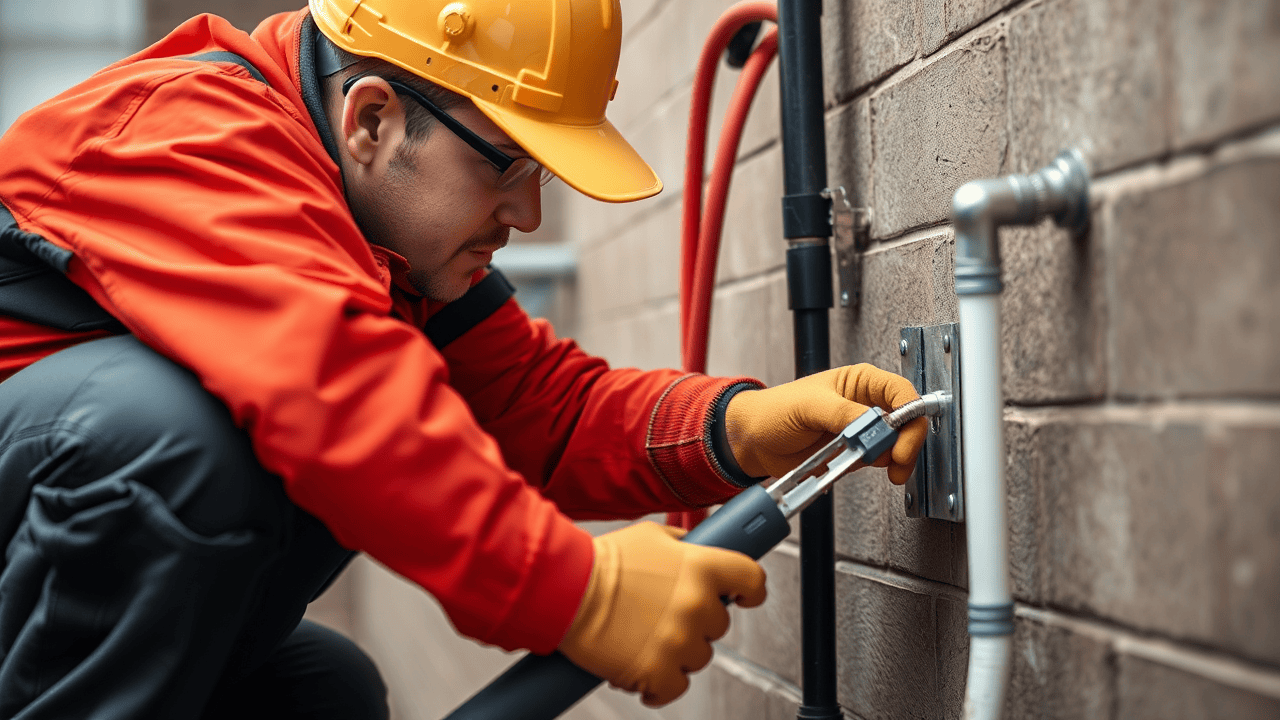
If DIY methods have not successfully identified the source of a leak, it may be time to engage professional services. Skilled leak detection experts have specialized tools and techniques that allow them to pinpoint elusive leaks without causing unnecessary damage to your property. They can assess the situation quickly and efficiently, often saving you time and money in the long run.
When searching for assistance, consider using the phrase "leak detection and repair near me" to find qualified professionals in your area. These specialists not only diagnose the problem but also provide repair services, ensuring your plumbing system is back in working order. Their experience and training can make a significant difference in addressing the issue effectively.
When to Call a Leak Detection Expert
Homeowners should consider calling in a leak detection expert when they notice unexplainable increases in their water bills or see signs of water damage, such as peeling paint or warped floors. These indicators can signify hidden leaks that may not be easily detectable through visual inspections alone. An experienced professional uses advanced tools and techniques to accurately locate the source of leaks, ensuring that repairs can be made before further damage escalates.
Additionally, if a homeowner encounters persistent musty odors or visible mold growth, it’s crucial to seek specialized services. Mold can develop rapidly in damp conditions, potentially leading to health issues and more extensive property damage. Searching for "leak detection and repair near me" can connect homeowners with qualified experts who can assess the situation, perform necessary testing, and implement effective solutions to resolve any leaks.
FAQS
What is the first step in diagnosing a leak?
The first step is to conduct a water meter test to determine if there is an unexplained increase in water usage.
How can I monitor my water usage effectively?
You can monitor your water usage by regularly checking your water meter and recording the readings over a period of time to see if there are any significant changes.
What should I look for when checking for moisture and mold?
Look for damp spots, discoloration on walls or ceilings, and any visible mold growth in areas prone to moisture, such as basements and bathrooms.
When should I consider hiring a professional leak detection expert?
You should consider hiring a professional if you cannot locate the source of the leak after conducting your own tests, or if the leak appears to be extensive or damaging.
Are there specific areas in my home that are more prone to leaks?
Yes, areas such as bathrooms, kitchens, basements, and around appliances that use water are typically more prone to leaks due to plumbing and water connections.